Hotel Oasis
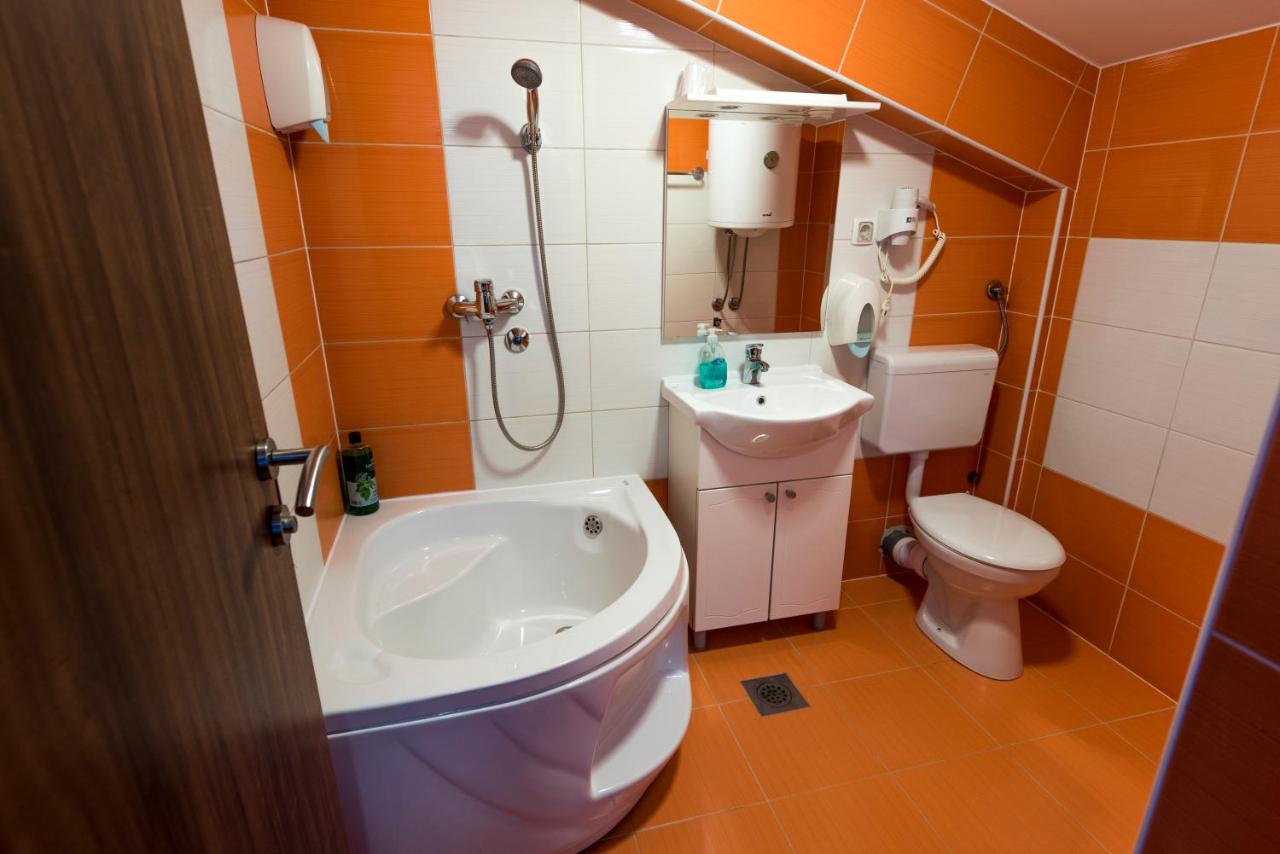


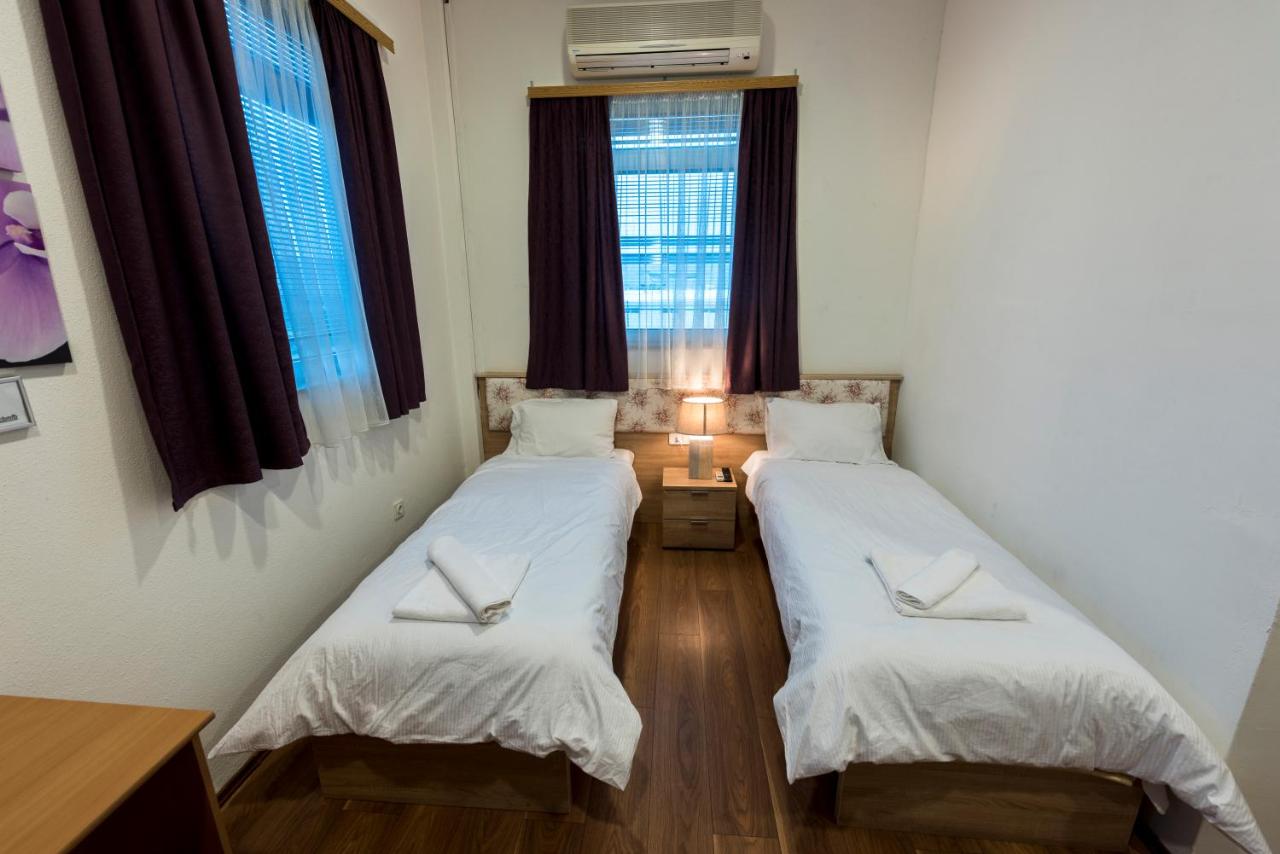
Mostar’s Guest Accommodation Oasis has a restaurant and an outdoor terrace that offers views of the city and surrounding hills. The airport is just 3 km away, while the UNESCO-protected Old Bridge can be reached in a 5-minute car drive. All rooms are simply furnished and have air conditioning, a private bathroom, seating area and cable TV. Several have a pitched ceiling and Wi-Fi is available free of charge. Private parking is available free of charge at Guest Accommodation Oasis and car rental can be arranged upon request. The local bus stops in front of the house and provides good connections to the city centre, 3 km away. Restaurants, shops, bars and cafes can be visited there. Guests will also find the city’s main bus station there.
Book a room

Booking.com
What to see in Mostar
Mostar or Móstar is a city of Bosnia-Herzegovina, the most important of Herzegovina, in the center of the Herzegovina-Neretva canton. It is located on the banks of the Neretva River and is the fifth largest city in the country. Mostar is called his famous bridge, the Stari Most ('Old Bridge') and by the guardians who charged the passage called Mostari. The bridge was destroyed by units of the Croatian Defense Council during the Bosnian War, on November 9, 1993 at 10:15 am. Slobodan Praljak, the commander of the Croatian forces, was tried by the International Criminal Court for former Yugoslavia (TPIY) for ordering its destruction and other positions.
Human settlements in the Neretva River, between the snoring hill and Mount Velež, have existed since prehistory, as evidenced by the discoveries of fortified and cemeteries. The evidence of the Roman occupation was discovered under the current city.
As for the Middle Ages in Mostar, despite the fact that the Christian basilicas of late antiquity remained in use, there are few historical sources that were preserved and much is not known about this period. Mostar's name was mentioned for the first time in a document dating from 1474, taking its name from the bridge of the Guardians (Mostari), which refers to the existence of a wooden bridge of the market on the left margin of the river, which was used by merchants, soldiers and other travelers. During this time it also hosted a Kadiluk (district with a regional judge). Since Mostar was on the commercial route between the Adriatic and the regions rich in Minerals of Central Bosnia, the establishment began to extend to the right bank of the river.